

General Dentistry
Emergency Dental Care in Pikesville, MD
Emergency Dental Care
Voted Top Dentist by Baltimore Magazine, 2026
A dental emergency is any surprising problem involving teeth, gums, or jaw. When one happens, it’s important to recognize and treat it as quickly as possible.
Understanding emergency dental care
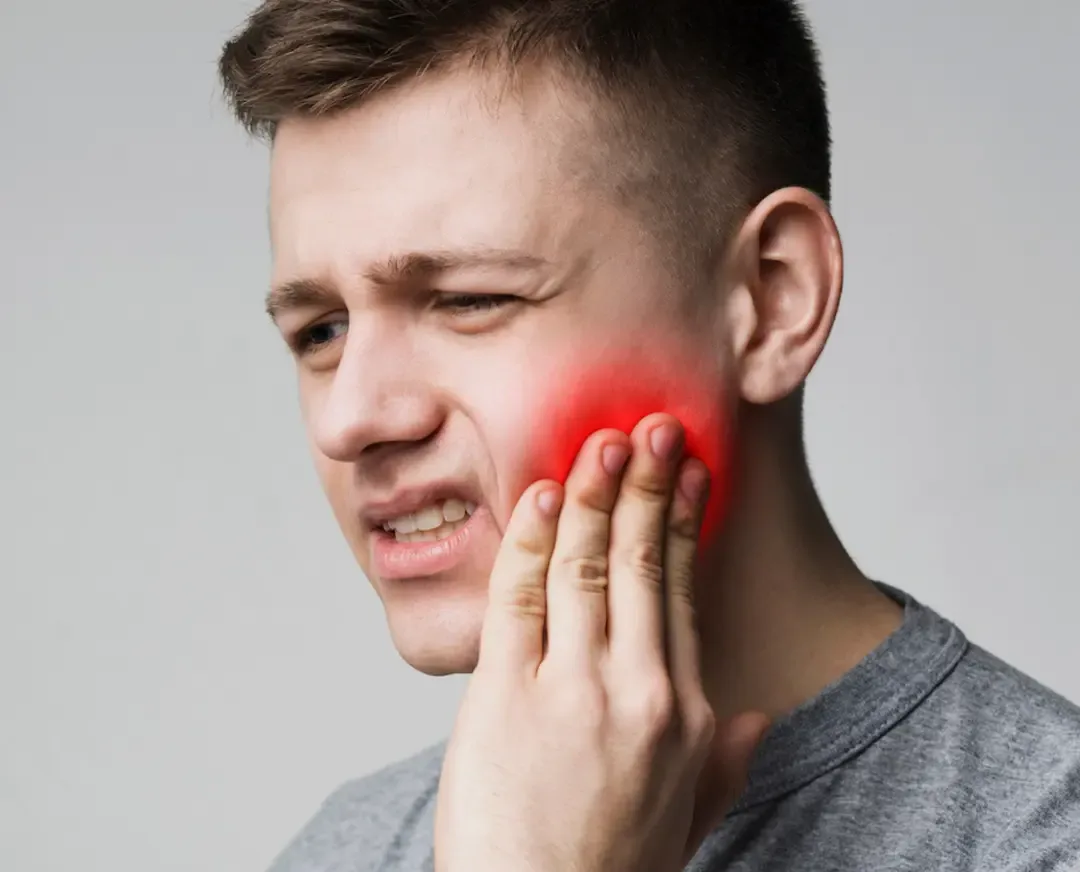
An emergency is any situation you haven’t planned for that calls for immediate action. A dental emergency is any surprising problem involving teeth, gums or jaw. Many of the various types and levels of dental emergencies involve pain, swelling, or bleeding – sometimes a broken or loose tooth. The cause of the emergency could be accident or trauma; other times symptoms may have begun slowly and built up over time.
Deciding if You Have a Real Dental Emergency
Dental emergencies happen. When they do, it’s important to recognize and treat them as quickly as possible.
Sometimes the emergency might be obvious, such as a broken tooth from a bite into a piece of hard candy, a sports injury or a fall. Other times it might be an undefinable pain or suddenly increased sensitivity to hot or cold. While a loose crown should be handled, this doesn’t normally constitute an emergency. It should be attended to, but can wait until normal clinic hours.
It’s important not to ignore dental issues, especially those that pop up unexpectedly. If you’re unsure of whether what you’re experiencing is an actual dental emergency, give us a call. We will be happy to help you adjudicate whether it’s something you need to take care of right away or whether it can wait until the next available appointment. We are here for you.
A Cracked Tooth
We often get the question whether a cracked tooth is considered an emergency. If the patient has bitten into something and thinks a tooth might have cracked, it might or might not be an emergency. If the crack is visible it should be checked out immediately. Also, if the tooth has become more sensitive after the suspected break it’s best to seek help right away.
Dental Symptoms and What They can Mean
Sensitivity to Cold
Sensitivity to cold generally indicates the nerve has become slightly exposed – often due to a cavity. However, the sensitivity could also mean the teeth have been exposed to acids. Most beverages, other than water, are to a greater or lesser degree, acidic. Bottled teas, sodas and juices are particularly sensitizing. First, they will cause the teeth to become sensitive to cold and sweetness. Later, cavities will likely form. The best way for a patient to reverse this cold sensitivity is to treat any tooth decay and eliminate the source of the offending sugar and acid. This is not usually an emergency, but the patient should call for an appointment as soon as possible.
Heat and Cold sensitivity
A tooth can become increasingly sensitive to both hot and cold. When this occurs, chances are the nerve has become unhealthy and a root canal may be required. A throbbing sensation that goes back to the ear and continuing pain that begins for no obvious reason are both symptoms that should be treated by an emergency dentist as soon as possible.
Facial Swelling
Should facial swelling occur the patient should call our dental emergency number right away. If we are not available, it’s best to contact an urgent care center. Facial swelling is indicative of an infection and antibiotics should be taken as soon as possible.
An Emergency Dentist Can Help
We know dental emergencies can be stressful and painful. We are here to help you through any dental emergency you experience. If you’re uncertain about whether what you’re experiencing is a true emergency the patient can always call and speak to a member of our dental health team. They can provide peace of mind from knowing whether to seek immediate care or wait until the next visit. Either way, when a patient calls us with an emergency, they can expect the problem to be solved with the least amount of stress and most comfort possible
Our office is always happy to help people calling in with dental discomfort, painful swelling or a cosmetic emergency. Even when it’s a situation where the patient has put off dental treatment so long that it can’t wait any longer, we can assist in taking care of anything that has come up. We do understand. Our only priority is the patient and relieving them of pain or embarrassment and returning them to comfort. And remember the risk of dental emergencies can be reduced or prevented with biannual exams and cleanings, so we can detect and treat any problems early on. Whether the patient has come in for an emergency or routine dental care they can always be assured our team is here to help and to provide supportive, comfortable care.
Our office is always happy to help people calling in with dental discomfort, painful swelling or a cosmetic emergency. Even when it’s a situation where the patient has put off dental treatment so long that it can’t wait any longer, we can assist in taking care of anything that has come up. Our only priority is the patient and relieving them of pain or embarrassment and returning them to comfort.
Watch
See emergency dental care explained
Why patients choose them
The benefits of emergency dental care
Recognize and treat quickly
Dental emergencies happen. When they do, it’s important to recognize and treat them as quickly as possible.
Peace of mind by phone
If you’re uncertain about whether what you’re experiencing is a true emergency, you can always call and speak to a member of our dental health team to know whether to seek immediate care or wait.
The least stress, the most comfort
When a patient calls us with an emergency, they can expect the problem to be solved with the least amount of stress and most comfort possible.
Prevention that helps
The risk of dental emergencies can be reduced or prevented with biannual exams and cleanings, so we can detect and treat any problems early on.
What to expect
The emergency dental care process
- 01
A cracked tooth
If the patient has bitten into something and thinks a tooth might have cracked, it might or might not be an emergency. If the crack is visible it should be checked out immediately. Also, if the tooth has become more sensitive after the suspected break it’s best to seek help right away.
- 02
Sensitivity to cold
Sensitivity to cold generally indicates the nerve has become slightly exposed — often due to a cavity — or that the teeth have been exposed to acids from beverages like teas, sodas and juices. The best way to reverse it is to treat any tooth decay and eliminate the source of sugar and acid. This is not usually an emergency, but the patient should call for an appointment as soon as possible.
- 03
Heat and cold sensitivity
A tooth can become increasingly sensitive to both hot and cold. When this occurs, chances are the nerve has become unhealthy and a root canal may be required. A throbbing sensation that goes back to the ear and continuing pain that begins for no obvious reason should be treated by an emergency dentist as soon as possible.
- 04
Facial swelling
Should facial swelling occur, the patient should call our dental emergency number right away. If we are not available, it’s best to contact an urgent care center. Facial swelling is indicative of an infection and antibiotics should be taken as soon as possible.
From Our Blog
Learn more about emergency dental care

Common Questions
Emergency Dental Care questions
Not seeing your question? Call the office at (410) 594-9500 and someone will actually pick up.
Patient Reviews
What our emergency dental care patients say
“I chipped my tooth over the weekend, and Dr. Todd was able to squeeze me in on Monday! I know he has a very hectic schedule, so I am extremely grateful! My tooth is as good as new. Shout out to him and Wendy!”
Gregoryon Google“All of their staff are friendly, considerate, polite, and extremely efficient. When I have a tooth emergency, Sarubin Dental gets me in and takes care of the problem.”
Stephanieon Google

Interested in emergency dental care?
Our doctors will tell you honestly whether emergency dental care are the right choice for your smile. Call our Pikesville office to schedule a consultation.